
Operations

As restaurant brands scale, they quickly learn a tough truth. Growth doesn’t just create more revenue. It creates more data, often scattered across dozens of systems that do not speak the same language. POS data over here. Labor data over there. Inventory somewhere else. Vendor logs, waste tracking, loyalty behavior, digital ordering, scheduling, financials… it all piles up fast.
And without structure, none of it works together.
This is where data unification becomes one of the most important (and misunderstood) capabilities for emerging restaurant brands. It is the backbone of every “single pane of glass” platform, including the Restaurant Data Platform at the core of CONVX.
If your brand wants to operate with confidence, move faster, reduce friction, and make decisions rooted in truth instead of guesswork, this is the work that unlocks it.
 So What Is Data Unification?
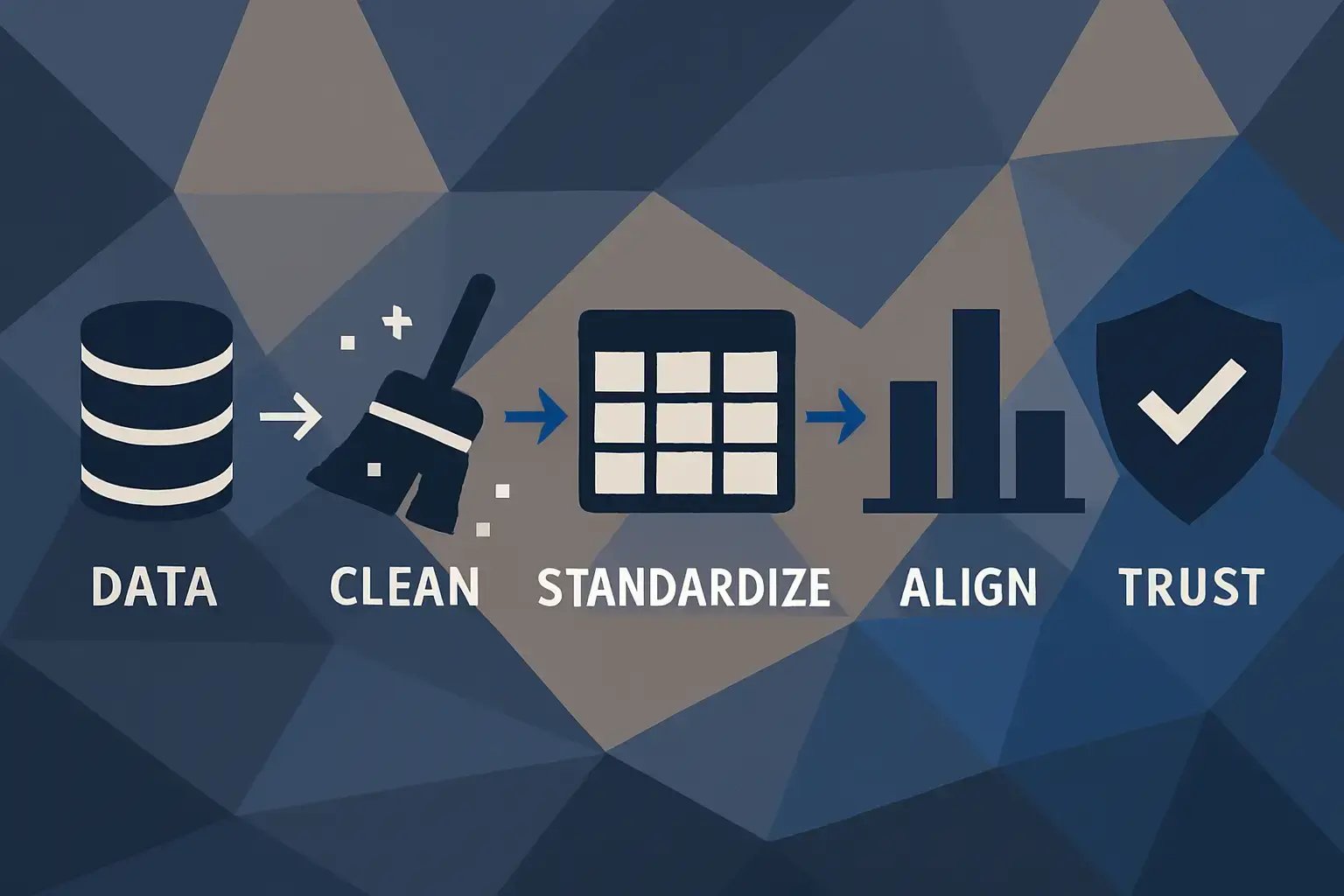
Data unification is the process of pulling all your operational data into one place, cleaning it, standardizing it, and aligning it so your teams can trust it.
It ensures that:
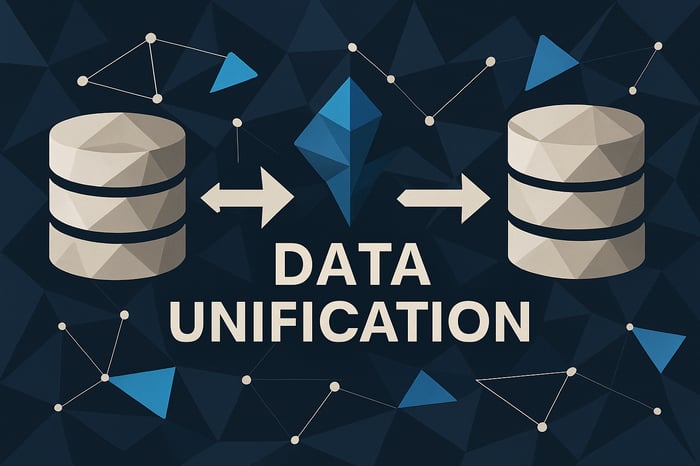
In other words, unification turns disconnected data sources into a stable, accurate, and consistent foundation for insight, reporting, automation, and AI.
Without unification, you don’t have intelligence. You only have noise.
For brands under twenty stores, the difference between thriving and stalling often comes down to operational clarity. You cannot scale chaos. Your data has to grow up before your footprint does.
Here’s why unification is essential if you’re an emerging restaurant chain preparing for expansion:
Every brand has a Store 12 — the one location whose data always looks odd because someone set up the POS differently, labeled menu items inconsistently, or never updated category structures.
Unification fixes that at the source.
Most growing brands survive on a patchwork of manual processes. Operators download a report from one system, export a CSV from another, combine them in Excel, and hope nothing breaks.
Hope is not a strategy. Unification replaces manual stitching with automated ingestion and clean modeling.
Performance benchmarking only works when each datapoint is measuring the same thing in the same way.
Unification ensures your dashboards tell the truth.
Clean data exposes inefficiencies — the silent killers in multi-unit operations. With unified data, brands can spot:
Clarity is money.
Emerging brands want the advantages of modern systems, but AI is only as smart as the data you feed it.
Data unification is the prerequisite for automation, forecasting, and prescriptive recommendations.
Without it, AI becomes guesswork.
 How CONVX Does Data Unification Differently
Most platforms aggregate data. CONVX unifies it.
Inside our Restaurant Data Platform, CONVX:
That unified data becomes the engine room powering OpSage, the operator-facing side of CONVX that delivers:
This is what “single pane of glass” actually means — not another dashboard, but a unified truth powering clear decisions.
By the time a brand reaches 20 to 50 locations, two things are guaranteed:
Brands that unify data early grow faster because they:
Your brand doesn’t become data-driven when you reach scale. It becomes data-driven so you can reach scale.
When data is unified, something powerful happens across a growing restaurant organization.
This is the “single pane of glass” operators keep asking for -- we call it OpSage. Not a prettier dashboard. A unified foundation.
Emerging brands do not win because they guess correctly.
They win because they see clearly.
And clarity comes from unified, trustworthy data.
If you want better decisions, stronger consistency, and a platform your teams actually use, build on unified data from the start. Platforms like CONVX exist for this exact moment in a brand’s journey — when complexity grows and the need for clarity grows faster.
Ready to see how unified data can transform your operations?
Request a demo of CONVX and experience the Restaurant Data Platform and OpSage in action. Your data already holds the answers. It just needs a system that can bring them into focus.